featured-1

Understanding Your Dog’s Behavior

Understanding Your Dog's Behaviour
featured-1

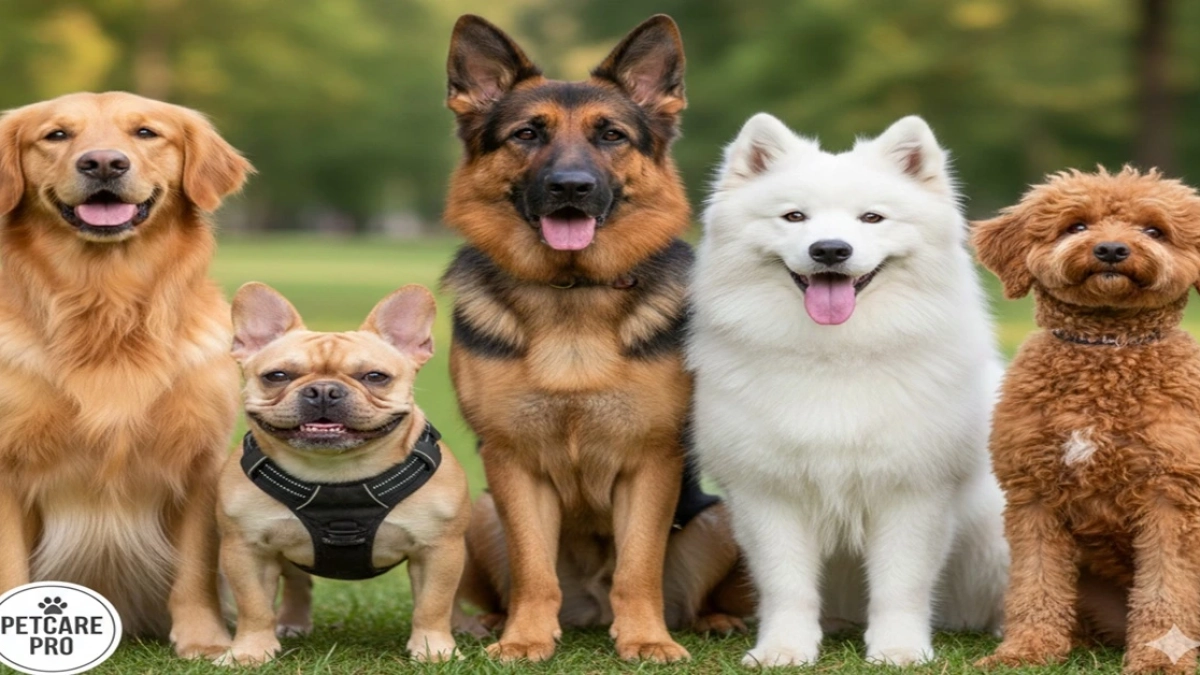
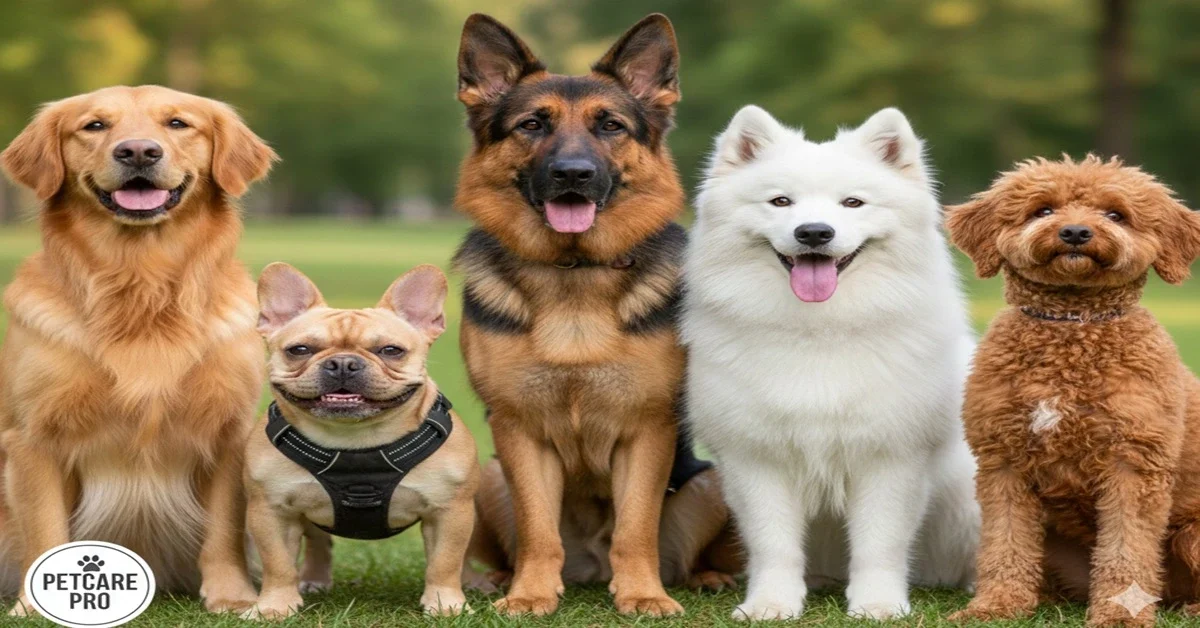
           Someone rang your doorbell, and your dog starts barking. It continues to bark till you stop that by a sharp command. Let’s understand why your dog behaved in that way. Understanding the natural behaviour is helpful in handling your dog, providing better care and building a stronger relationship with your dog. It is also important to a pet parent in the sense that any unusual or changed behaviours may indicate the possibility of an underlying illness or disease.

Dogs’ natural behaviour has emerged after their long association with humans from the prehistoric age, and in modern times as a furry friend. During this evolutionary process, their behavioural chemistry is shaped by a beautiful blend of species-specific instincts, acquired knowledge, learning, and emotion.

Let’s see some normal behaviour of dogs.

1-Feeding behaviour

  1. Suckling-Soon after birth, pups suckle milk from the mother, which increases after the third day. Taking food from the mother starts at about 3 weeks of age. Pups usually take food from their mother’s bowl or may eat vomitus of the mother, which should not be considered abnormal. Pup may take food material from the bowl and eat by keeping it in another place.
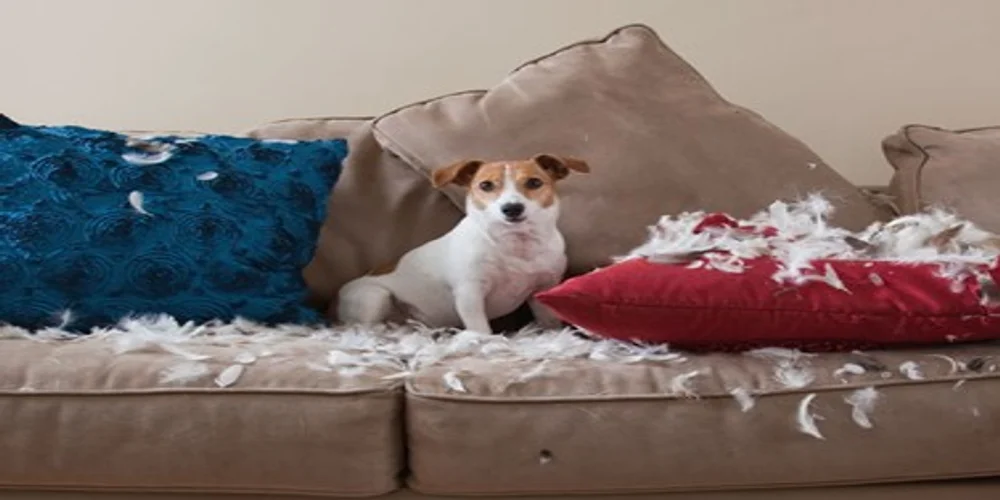
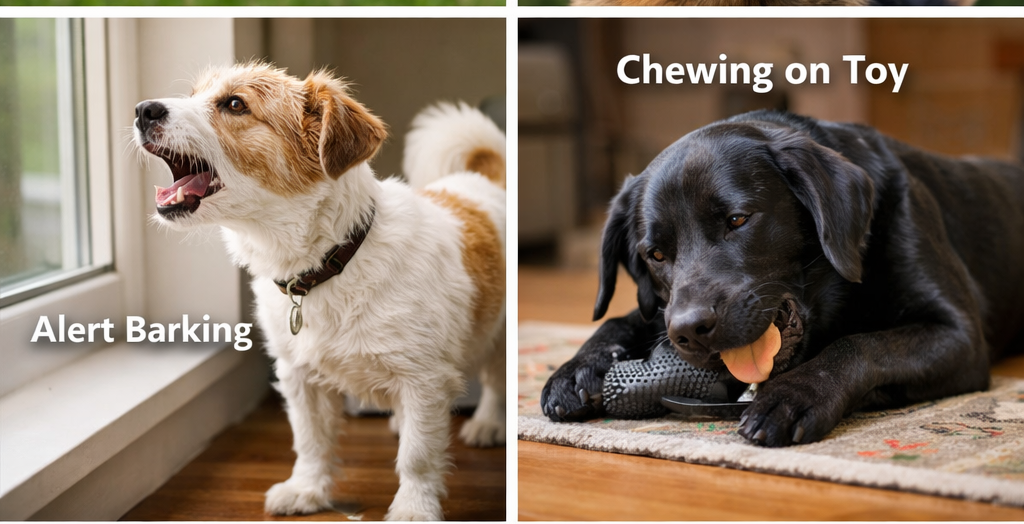
  2. Chewing and licking-Pups generally chew licks to investigate small objects and may ingest them, which must be prevented to avoid any health hazards. Adult dogs also chew to release boredom,and also to clean their teeth. Instead of scolding and preventing the dog from chewing dog should be provided with safe toys or objects.

2-Sexual behavior

  • Sexual behaviour starts after the onset of puberty. There is a great level of individual and breed variation regarding the onset of puberty. Sexual behaviour like mounting, clasping and pelvic thrust are seen at the age of puberty more in male but active courtship occurs only when the female is in heat. Olfaction, or the sense of smell, is the main receptor governing the onset of sexual behaviour. The urine of bitch in estrus is the first triggering point for an active courtship to happen.
  • Spaying or neutering a bitch at any age makes it unresponsive sexually. While castration done only before puberty makes a male non-responsive.
  • Male dogs prefer sexual activity better if familiar with the surroundings and the handler. So, bitch must be taken to the dog for an intercourse to happen. Many times, when the male is not dominant during courtship, the female frequently mounts the dog and stimulates the aggressive behaviour of the dog.
  • When both male and female are reared together, and the female is dominant in the social hierarchy, mating is usually rare.
3-Maternal behaviour

  1. Nest making behaviour– Towards the onset of parturition bitch usually make nest to give birth its puppies. Following parturition bitch starts nursing the young and usually stays with the puppies for 3 weeks. Later contact with the pup decreases. This is the time for weaning.
  2. Cleaning behaviour– Bitch usually stimulate urination and defecation in the pups by licking the anogenital region of the pups. During nursing, the bitch ingests the urine and faces of the pups and keeps the nest clean in the 4th week; such cleaning behaviour disappears when pups begin to leave the nest for elimination independently by their own.
  3. Pseudo pregnancy– Due to hormonal imbalance, even though the dog is not pregnant dog displays maternal protective behaviour like nest making, engorgement of mammary gland, protecting an inanimate object placed in the nest, etc. Such a condition should be treated by a qualified vet.

4- Social behaviour

      By nature, dogs are social animals and live in groups in a pack. With a long association with members of one pack, they develop a high degree of communication, cooperation and bonding, which is essential for their survival. In a pack, they usually follow the instructions of the leader. So, dogs leave happily with their boss. With the adoption of a dog as a family member, they usually see the family as a pack and try to please the members and accept the head of the family as their boss. Some positive social behaviours are

  1. Seeking attention and companionship from family members.
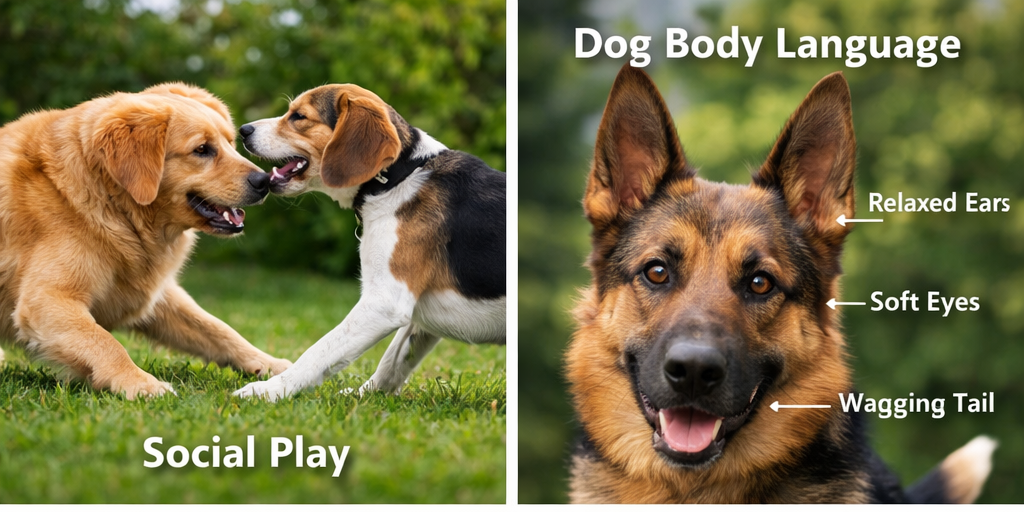
  2. Wagging tail and following the owners around the house.
  3. Enjoying playing with humans and other dogs.
  4. Leaning against family members.
  5. Licking the face or hand of family members to show affection.
  6. Learning by watching human closely, exploring new objects.
  7. Following command of family members and trying to please them
5-Eliminative behavior

  1. Raising of the hind legs prior to urination– Raising of the hind legs prior to urination in male dogs is an inherent activity in male dogs. It occurs after the onset of puberty.
  2. Covering of faces by pawing-Immediately after defecation, dogs usually paw and want to cover their faces. It may be due to its natural instinct acquired during wildlife by which it destroys the evidence of faces that might attract the wild predator and attack it.

6-Commiunicative behavior

Dogs usually communicate with the external world  through body carriage, vocal sounds, tail posture,submassive paw raising, and urination. Learning and interpreting these signals is crucial to know dogs mental state and behaviour. Some of the behaviours are

  1. Position of the tail  Wagging of the tail frequently occurs during excitement and happiness. A relaxed, slow wagging is an expression of happiness, whereas a stiff, high tail indicates alertness and tension.
  2. Position of ears– Relaxed ears suggest comfort. Ears kept forward suggest enthusiasm or curiosity. Contracted, backward ears suggest fear or submission.
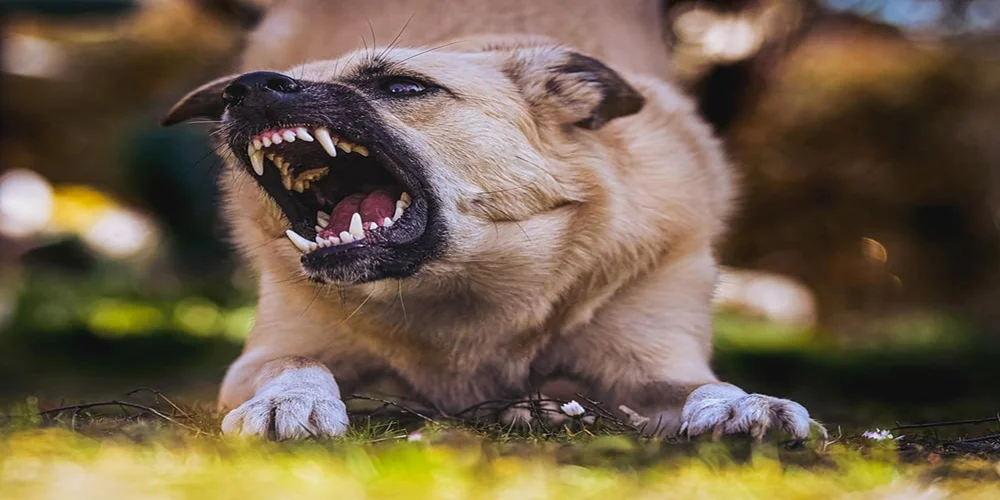
  3. Facial expression-Soft eyes, relaxed mouth with gentle blinking of facial muscles suggest the dog is calm and enjoying. Showing teeth during play may look alarming, but usually harmless if with loose body posture.
  4. Barking-Dog barks usually when it sees strangers or sudden, sharp noises,during sudden excitement,for seeking attention.

Excessive barking may indicate that the dog is in need of exercise, stimulation or companionship.
post image-3

7-Agonistic behavior

  1. Social Hierarchy among dogs– Play fighting among the newborn puppies develops a social hierarchy among themselves, which usually lasts for many years to come. When a strange dog is introduced into a closed social group, usually the group attacks and rejects the stranger. The degree of social hierarchy is much stronger among the same group members. So they react more severely to a stranger dog of the same breed than to other breeds. A similar social hierarchy is also developed with human and normally human is dominant.
  2. Territorial defence– Territorial defence is an important form of social behaviour. Dogs living in a group are usually too protective of their territory and become aggressive when their territory is encroached upon by a strange dog or human. Marking their territory with their urine is also a normal phenomenon in dogs.
  3. Such aggressive behaviour may be avoided by rearing the pup under submission, with the owner being actively dominant. Pups should be socialised with a wide variety of human and canine neighbours.
  4. Tying up a dog usually increases aggression, and the tendency of a dog to fight on the leash is due to such territorial defensive behaviour.

Every dog is unique. Breed, age, environment, and past experiences shape behaviour. What is normal for one dog may look different for another.

To encourage healthy, normal behaviour:

  • Provide daily exercise
  • Offer mental stimulation
  • Maintain routines
  • Use gentle training methods.
  • Show patience and kindness.

Dogs thrive when they feel safe, loved, and understood

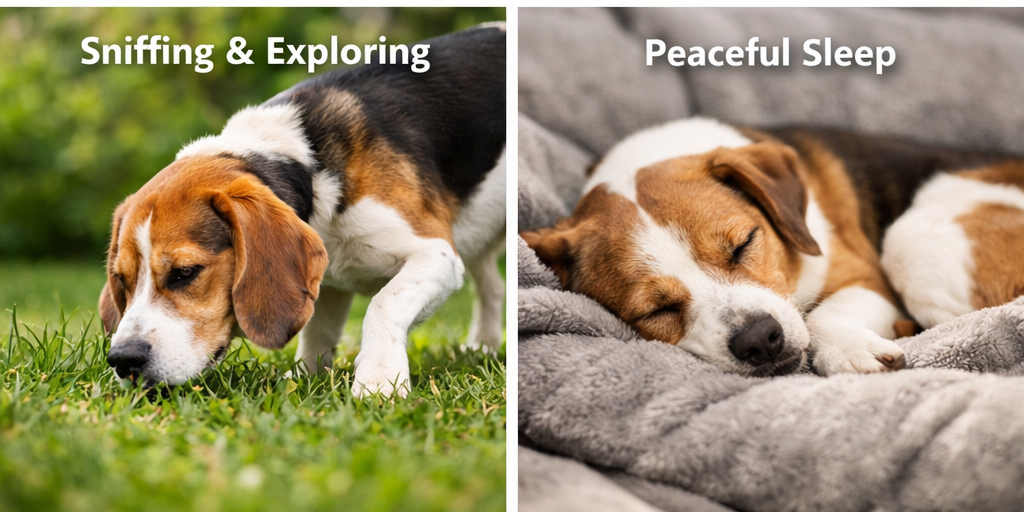
      Normal behaviour in dogs is a beautiful combination of instinct, emotion, and learning. Barking, chewing, playing, sniffing, and seeking companionship are not problems—they are natural expressions of a dog’s nature. When owners understand these behaviours, they can respond with compassion rather than correction.

A humane approach to dog care means seeing the world from a dog’s perspective. By respecting their needs and communicating with kindness, we create happier dogs and stronger human-canine relationships.
How-to-train-your-dog-at-home

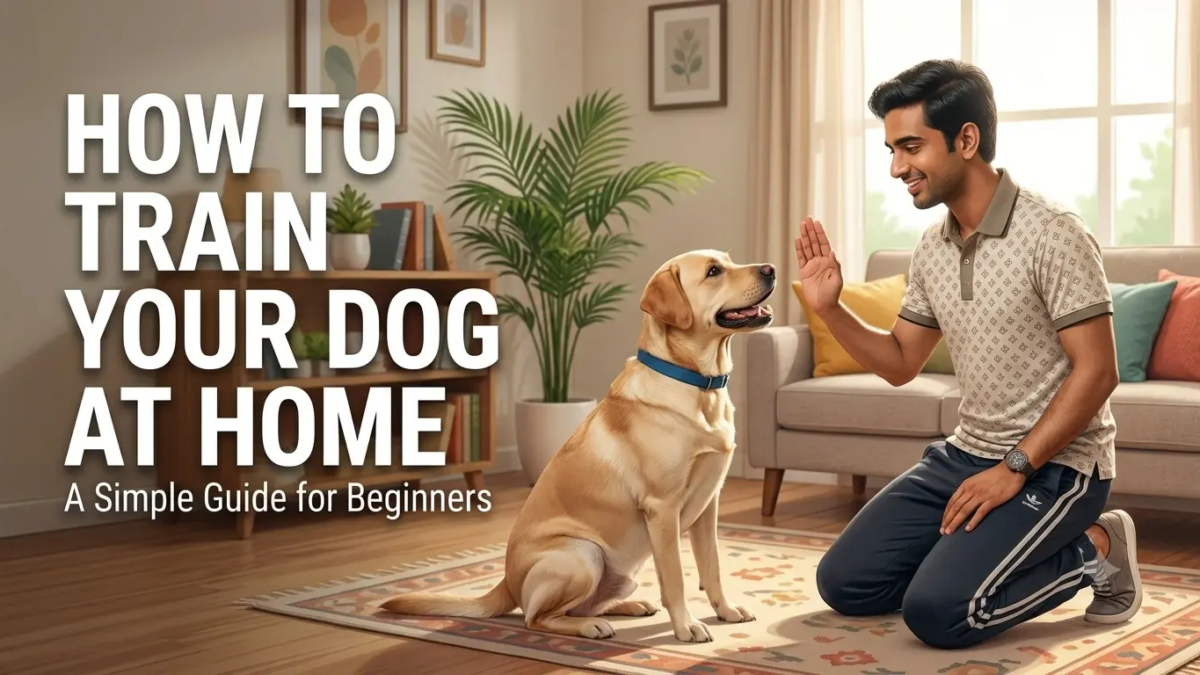
How to Train Your Dog at Home: Basic to Advanced Complete Step-by-Step Guide

The joy of parenting a well-behaved pet is, though not similar, not less than being the father of a disciplined child and training a dog is very much similar to that of a child. Just like humans, the inborn or acquired destructive, harmful and irritating habits of a dog periodically require corrective discipline to improve upon. Without training, a dog may become a nuisance for the family members and visitors. Whether you’ve adopted an energetic puppy or welcomed an older rescue dog, proper training is essential for building a strong relationship and ensuring your pet grows into a well-mannered companion

dog-vaccination -schedule

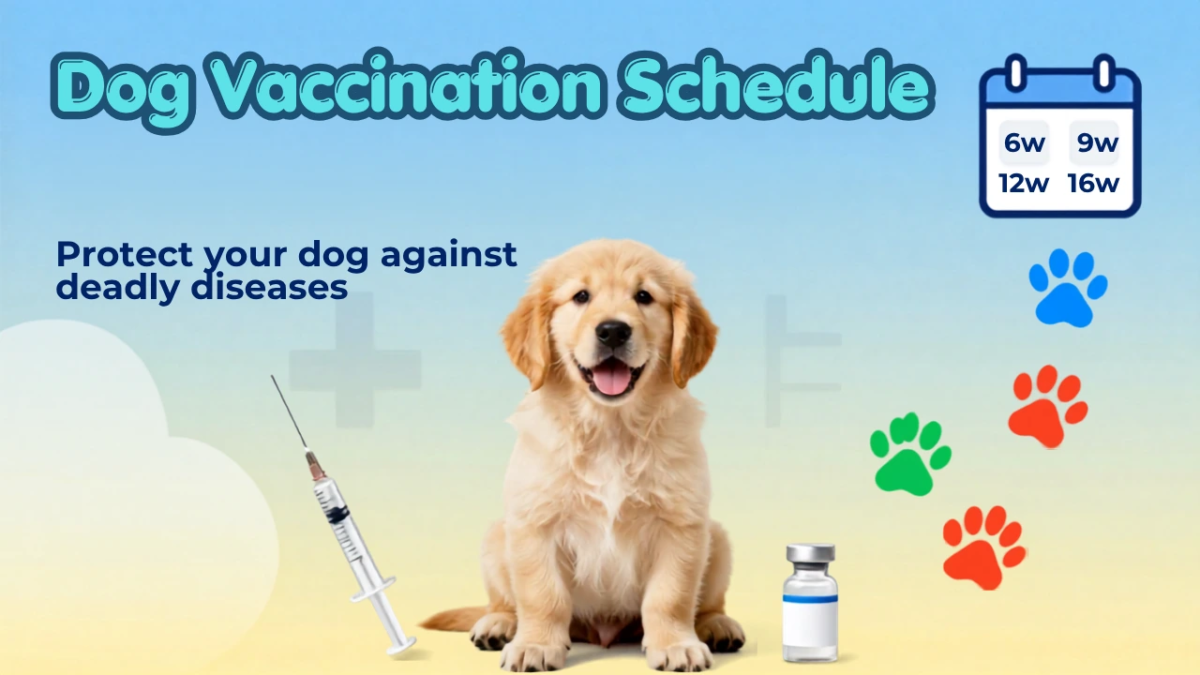
Vaccination Schedule in Dog: A complete Dog Vaccination Guide (2026)

One day, a dog owner brought in a puppy in almost-dying condition. It was severely dehydrated with continuous vomiting and bloody diarrhoea. I started my treatment with all possible efforts. But in spite of all efforts, I could not save the life. The owner was crying and crying. But when I explained to him that it could have been prevented, he repented a lot. Many such incidence frequently occurs in almost all veterinarians’ practice life

Homemade+Dog+Food

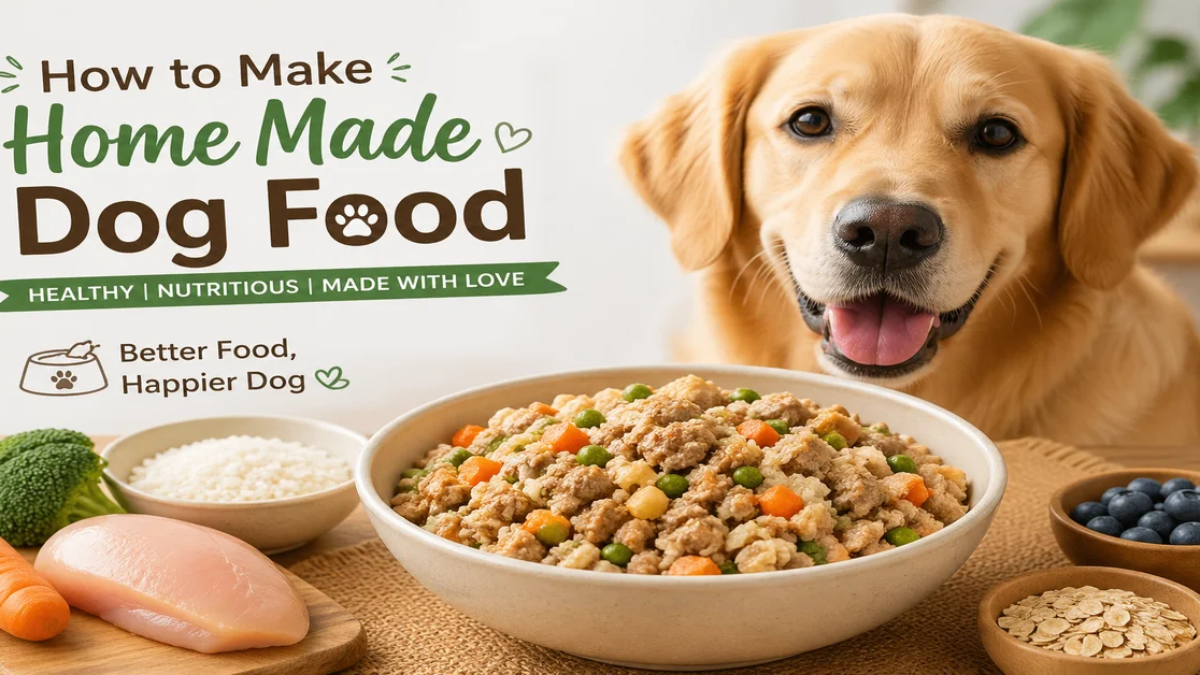
Home-made Food for Dogs: A Complete Guide for Healthy Homemade Nutrition

Home-made Food for Dogs: A Complete Guide for Healthy Homemade Nutrition

Home-made Food for Dogs: A Complete Guide for Healthy Homemade Nutrition

Home-made Food for Dogs: A Complete Guide for Healthy Homemade Nutrition

Home-made Food for Dogs: A Complete Guide for Healthy Homemade Nutrition

Homemade+Dog+Food


Nutrition plays an important role in maintaining optimum health, growth and wellbeing of humans as well as animals. Providing balanced nutrition to a dog is an important responsibility of every pet parent. With the increasing trend and expanding commercial pet food market, the significance of homemade dog food can never be overemphasised.

         Dogs are particularly more sensitive to the food as compared to the human being. Many food items like Milk, grapes, which are considered safe and nutritious for human may cause allergy, health issues, or even death in dogs. Of course, there is individual variation among dogs. During my clinical practice over the last two decades, I have seen many dogs developing skin rashes, digestive upsets after a few days to months of feeding milk, chapatti, etc. While other dogs of the same breed are doing well with milk, roti, etc., for years together without developing any health issues.

   So, as a pet parent, you must have adequate knowledge of feeding your dog. In this guide, you’ll learn everything about preparing safe, healthy, and balanced homemade food for your furry friend at home.

Table of Contents

Five Benefits of home-made food

1-Better control over the freshness and quality of food ingredients

About 65% of Indian pet owners prefer homemade meals to ensure ingredient quality and avoid preservatives. You can choose locally available food ingredients used for human beings that provide both freshness and quality.


 2-Costomised nutrition

   Nutrient requirements vary depending on the different life stages of your dog. While a puppy requires more protein, a senior dog requires easily digestible food ingredients. Similarly, depending on age, activity level, and type of breed, the nutrient requirement can be met by customising the diet.


3-Managing health issues like an allergy

Dogs are particularly more sensitive to the food they are eating. By preparing your dog’s meal, you can figure out any ingredient that may cause an allergy or health issue.

If you detect a sudden digestive upset after feeding any new food, you can easily withdraw that item, preventing further harm to your pet.


 4-Managing a specific health condition

  • When your dog becomes sick, its nutrition is the first to be affected. The dog may not eat due to a depressed appetite. A diet prepared from food ingredients generally preferred by your dog can be made to improve food intake.
  • You need to feed a tailor-made diet to your dog that has just recovered from a disease like parvo, CD, etc.
  • Dogs suffering from chronic ailments like kidney disease, liver failure, dermatitis etc needs specific diet which can only be made from home base ingredient.


 5-Budget friendly

    With the increasing cost of commercial pet food, maintaining a dog, particularly a large breed dog, with canned food, is too expensive. By adopting home base diet, you can reduce your dog food expenses by up to 30% compared to premium commercial diets. For families managing household budgets, that’s a significant difference that doesn’t compromise their dog’s nutrition.


Nutrient requirement and common food ingredients for dogs

Sl No

Type

Function

Common available source

1

Carbohydrates


Provide energy for cells, tissues and organs required for day-to-day activities.

White rice, Sweet potatoes, oats, Roti, Patatoes, bread,bazra, millet, multigrain dalia

2

Protein

Growth and development, building, repairing and maintenance of tissue

Non-veg-Boneless chicken, Moong dal, deboned fish, eggs,

Veg-Dal(moong/masoor/Channa) Milk, lentils,soyabean, Paneer curd

3

Fat

Long-term energy storage, insulating body, protecting vital organs

Coconut oil, olive oil, linseed oil, Soyabean oil

4

Fibre

Support digestive health by feeding beneficial gut microbes.


Vegetables: Pumpkin, papaya, ladies finger, cauliflower, green Bean, carrots, Peas, bottle guard,


Fruits- Banana, apple, etc

Green Leafy Vegetable- spinach(palak)


5

Vitamins and minerals

Regulate metabolism, support immune function, build tissues(bone, teeth)

6

Water

Regulate body temperature, lubricate joints, protect tissues and organs, transportation of nutrient and oxygen

Drinking water, water available in food.

Proportion is the key.

       The usual dry feed should contain protein 22 to 24%, fat 3 to 4% and fibre 4 to 6%.  The level may be modified by varying amounts of low-grade proteins.

Sl no

Age of the dog

Carbohydrate-rich food

Protein-rich food

Fruits and vegetables

1

0-1/1.5 yrs

60

20

20

2

1-5 Yrs

50

25

25

3

5years and above

40

25

35

How much to feed


Sl no

Type of breed

Example

Quantity to be fed as a percentage of body weight

1

Toy breed

Spitz, Pomeranian, pug

5%

2

Small breed

Poodle, dachshund

4%

3

Medium breed

Beagle, bulldog, dalmatian, Siberian husky

3%

4

Large breed

German Shepherd, Labrador, Great Dane

2%

5

Giant breed

Saint Bernard, English mastiff

1.5%


·       The quantity of food depends on the age, body weight and activity level of your dog. With an increase in these parameters, the requirement for food also increases.

·       A less active dog (confined to home premises) requires 10% less than the recommended level. Normal active dogs (kept at home and taken outside for exercise) require 10% more, and working dogs (guard dogs, police dogs) require 20% more than the normal recommended level.

·       For a puppy, double the quantities of the recommended level are required

A usual house dog weighing 5 to 7 kg needs about 150–200 gm of dry feed

Simple homemade food recipe for dogs

Vegetarian recipe

Homemade dog Veg food


Recipe

Ingredients

Preparation

Patato+Dal+Veg

·        Moong dal (cooked)-1 cup

·        Medium sweet potato (boiled)-1 pc

·        Vegetables (beans, carrot, spinach, papaya, etc.)- 1 cup

·        Leenseed oil-1/4 Tsf


·        Cook moong dal with a little haldi until soft

·        Boil the sweet potato and mash it

·        Vegetables to be steamed

·        Leenseed oil-1/4 Tsf

·        Mix all and feed


Rice+ Dal+ Veg

·        White rice (cooked)-2 cups

·        Moong dal (cooked)-1 cup

·        Vegetables( beans,carrot spinach,pappaya etc-           1 cup

·        Cooked soyabean-1/4 cu

·        Cook moong dal and rice with a little haldi until                 soft

·        Cook Soyabean

·        Vegetables to be steamed

·        Mix all and feed

Non veg recipe

Home made dog food


Receipe

Ingredients

Preparation

Rice+ Chicken +Veg

·        Cooked white rice-2 Cups

·        Boiled chicken (shredded, bones removed-1 Cup

·        Vegetables(beans,carrot spinach,pappaya etc-1 cup

·        Coconut oil-1 Tablespoon


·        Cook white rice and chicken separately.

·        Moong dal with a little haldi until soft

·        Vegetables to be steamed

·        Add Coconut oil-1 Tablespoon

·        Mix all and feed


Oat+ Egg+ Veg


·        Oats (cooked)-1/2 cups

·        Whole egg (boiled)-3 pcs

·        Vegetables( beans,carrot spinach,pappaya etc-1 cup

·        Olive Oil-1 tablespoon

·        Cook oats with a little haldi until soft

·        Boil 3 eggs

·        Vegetables to be steamed

·        Add Olive oil-1 Tablespoon

·        Mix all and feed


Storage Tips


  • Store the prepared dog food in airtight containers and keep it in the refrigerator for up to two hours of cooking, which can be used for three days without spoiling.
  • If possible, prepare large batches of individual ingredients and keep them in freeze. Frozen homemade dog food maintains quality for up to three months when properly stored in freezer-safe containers.
  • Keep the frozen food in the refrigerator overnight instead of keeping in room temperature.
  • Slightly warm the food as per the preference of the dog and serve it.

How to make home-based treats.


  • Take 4-5 apples and remove the skin. Cut into small pieces and steam it. See that the hardness is not lost.
  • Keep in an air-tight container and store in freeze.
  • Whenever necessary (as during training), take it out of the freezer. Keep at room temperature for 30 minutes and feed.

Food to avoid


  • Avoid wheat preparations like Roti, milk and milk substitutes if it creates skin allergy.
  • Onions, garlic, chocolate, grapes, and most whole spices can cause serious health problems in dogs.
  • Onions and garlic contain compounds that damage red blood cells in dogs, causing anaemia. Even small amounts accumulated over time create a significant health risk.
  • Grapes and raisins can cause kidney failure in dogs. Chocolate contains theobromine, which cannot be metabolised easily by a dog’s liver. Whole spices like cloves and nutmeg can cause gastric irritation in a dog.
  • Never use artificial sweeteners, particularly xylitol found in some peanut butters, etc.

- Feeding tips


  • Feed your dog at regular times and do not give titbits between meals. Feed your dogs two meals a day. The last feed should be given well before bedtime.
  • When home-made food is fed to your dog, the addition of multi vitamins and mineral combination readily available in the market is a good idea.
  • Regular feeding of probiotics, such as curd, is beneficial for the gut health of your dog.
  • Food served should neither be too hot nor too cold and should be served at room temperature.
  • Do not overfeed your pet; if it is overfed, this can result in loose motions.
  • Provide fresh, clean drinking water at all times.
  • There should not be any abrupt change in the diet plan ever. This may cause indigestion.

Frequently Asked Questions

Can a dog be maintained on a purely vegetarian diet?

Yes, a dog can be maintained on a purely vegetarian diet, provided the requirements of calcium, essential vitamins and minerals are taken care of. Infact dogs live longer on a vegetarian-based diet.

In my view, homemade food having the right quantity of protein, vitamins, minerals, and fibres, along with supplements containing calcium, multivitamins and minerals, is the best approach.

Some dogs are allergic to milk protein called casein and develop skin rashes. While other dogs, even of the same breed, tolerate milk very well. The best approach is to start feeding milk at the puppy stage and see if any allergy develops or not. If nothing happens, milk can be safely given throughout life. In all cases of allergy, milk should be avoided. Once an allergy starts, milk should not be given throughout life

Some dogs are allergic to a substance called gluten present in wheat, which causes a skin allergy. The approach should be like milk. Try in puppy stage and continue if no allergy develops.

    Commercial pet foods are well-balanced with vital nutrients, and as per the requirements of the breed, age and life stage. Food eaten by dogs can be measured and is easy to feed. On the other hand, Home-made diets are cheap and can provide complete nutrition, but making sure your pet gets the right mix of protein, fats, minerals and vitamins. In my opinion, commercial food should be started as early as and soon after weaning(separation from mother) and continue up to at least one year. This ensures the complete nutrition required for the proper growth and development of the puppy. After one year, the diet should be gradually shifted to home-based food.

    Commercial pet foods are well-balanced with vital nutrients, and as per the requirements of the breed, age and life stage. Food eaten by dogs can be measured and is easy to feed. On the other hand, Home-made diets are cheap and can provide complete nutrition, but making sure your pet gets the right mix of protein, fats, minerals and vitamins. In my opinion, commercial food should be started as early as and soon after weaning(separation from mother) and continue up to at least one year. This ensures the complete nutrition required for the proper growth and development of the puppy. After one year, the diet should be gradually shifted to home-based food.

Unlike human dog require minimal sodium. However, if a dog is maintained on a purely vegetarian diet, a little bit of salt addition is beneficial. Whenever a dog is fed with potassium-rich food like potatoes, it is better to add salt to prevent losses of potassium

Conclusion


Home-based food, if properly balanced with protein, carbohydrates, and vitamins, can significantly improve your dog’s health and happiness. Additionally, fresh, nutritious and delicious meals prepared at home will strengthen the bond of belongingness between dog and family members, making your pet parenting journey even more joyful.

abnormal dog behavior

Abnormal Behaviour in Dogs and how to correct it

Abnormal Behaviour in Dogs and how to correct it

Abnormal Behaviour in Dogs and how to correct it

Abnormal Behaviour in Dogs and how to correct it

Abnormal Behaviour in Dogs and how to correct it

abnormal dog behavior

            Dogs communicate their feelings and needs through behaviour. However, sometimes dogs may show unusual or abnormal behaviours that confuse or worry their owners. When a dog shows actions that seem unusual, disruptive, or distressing, it’s often labelled as *abnormal behaviour. These behaviours can include excessive barking, aggression, destructive chewing, anxiety, or obsessive habits.

          This guide explains the common abnormal behaviors in dogs and how to correct them effectively, helping owners raise well-behaved and happy pets.

Table of Contents

What is Abnormal Behaviour in Dogs


        Abnormal behaviour refers to actions that are excessive, repetitive, harmful, or out of context for a dog’s age, breed, and environment. Examples include sudden aggression, constant barking, destructive chewing, self-injury, extreme fear, or withdrawal. While every dog has a unique personality, behaviours that cause distress, damage property, or threaten safety are considered abnormal.

           It is necessary to stop these bad habits before established. Later on, when habits become a nuisance, it becomes very difficult to change these habits. Identifying these behaviours early helps owners take corrective steps before the problem worsens.


Common factors responsible for Abnormal Dog Behaviour

Pet owners should consider the following factors to establish the cause of the abnormality.

  1. Poor or late Socialization

     Dogs that are not exposed to people or other animals early in life may become fearful or aggressive towards strangers, children or other animals

.2. Lack of Exercise

     Dogs with too much pent-up energy may develop destructive habits

  1. Stress or Anxiety

     Traumatic experience causing a conditioned emotional reaction is frequently seen in the normally reared dog. For example, a second visit to the veterinary clinics may result in hyperthermia, fright, fight and fear reactions. Changes in the environment, loud noises, or loneliness can trigger abnormal behaviour.

  1. Medical Problems

Pain, illness, or neurological issues may lead to sudden behavioural changes.

  1. Lack of Training

Dogs that do not receive proper guidance may develop unwanted habits.

.  

Types of Abnormal Dog Behaviour with Solution

Extreme aggression towards strangers

       Extreme aggression may arise due to traumatic experiences during the critical period of socialisation or social isolation during this period. When the

        A pup is taken as a pet and lives a fairly isolated life in an apartment (in cities),

Socialisation with other dogs and people is greatly reduced, resulting in extreme aggression towards strangers or other dogs.

      Solution- Gentle handling and re-socialisation will be helpful a lot in such a situation. In extreme cases, sedative drugs may be given in consultation with a veterinarian.

Abnormal care-seeking behaviour


When the dog becomes a child substitute of the family and overprotects it, it becomes dominant and overprotective towards the owner and aggressive towards strangers.

Solution- The dog should not be over-patted, and any undesirable activities must be stopped by a sharp command like.No. Follow the basic rule of training- Undesirable activities must be followed by a sharp NO, and when the dog obeys your instruction, reward it.

Biting and Destructive Chewing

        Chewing is normal for puppies, but when dogs destroy furniture, shoes, slippers, etc., it should be stopped at the start; they will soon become established and difficult to correct, and then your dog may destroy your valuable household items. It may indicate boredom or anxiety. This is particularly seen in puppies when tooth eruption starts, and adult dogs usually chew inanimate objects out of separation anxiety.

Solution-

         Allow puppies to have things like (non-splintering long bones, synthetic bone, rubber-dolls,rubber-balls, etc.) which they can chew on and can identify as their own. If you allow a bone, ensure that it is a suitable one. Act very promptly when the wrong things are being chewed, such as furniture, doormats, slippers, shoes, etc.

Excessive Barking

  Barking in dogs is a natural activity, for it serves as a means of communication, particularly of expressing warning and serves to express pleasure. Barking

serves to tell you when you have visitors, but it should stop as soon as they are identified as friends.

      Excessive barking may be due to poor training, leaving the dog alone for a long period frequently, lack of proper exercise, failed to relieve natural calls.


     Solutions- Controlling barking in old dogs is difficult because old dogs cannot alter their habit of barking, but it is necessary to do something about the excessive noise from your dog. To avoid the situation, providing adequate training and opportunities to get bored should be kept as few as possible.

       You can suddenly start a louder noise when the dog starts his unwanted barking, and in this way, you can make an effort to control the barking in adult dogs.

Chasing motor vehicles

          When you take your dog on a lead near public roads for exercise, many dogs start chasing nearby passing scooters/motorcycles and bicycles, which is not only irritating but also dangerous and may lead to a serious accident.

Solution

        Never allow your dog to chase. Motor vehicles and the practice of chasing must be stopped soon after it develops. Try to exercise your dog in an area away from public roads or roads with minimal traffic. If it is difficult to keep a dog away from traffic, then a lesson to stop this habit is necessary. Allow your dog to chase a car in a safe place, but instead of appearing to be chased away, stop the car and lay down empty cans from the car. In extreme cases, you may have to repeat the lesson several times.

Jumping up on people

        Many dogs jump up on their owner whenever they enter the house, especially after a long gap, returning from a trip. from office etc.afterGenerally jumping up is a delightful expression of devotion by dogs, and is less appealing if you get muddy paws on your clothes or those of others. This habit should never be allowed to start.

Solution

        Always give a strong NO command every time your dog tries to jump up on you or anybody. Gradually your dog will understand that it is a bad manner and may refrain from such activities. You can also overbalance your dog with a well-placed nudge with the knee, and it may take some time to stop this habit.

Begging for food near the dining table

     When family members are taking food to the dining table, dogs frequently beg at the table, which is an undesirable habit. Such a dog always expects food when other family members are eating. The dog which develops this habit gives the impression that he never gets any food, by seeing his anxious look towards the table when you and your friends are taking a meal.

Solution

  1. Separate your own meals from those of your dog.
  2. If possible, feed the dog first so that you do not provoke his appetite with the sight and smell of your own food.
  3. Keep him out of the room where you are having your meal.

Pulling on the lead

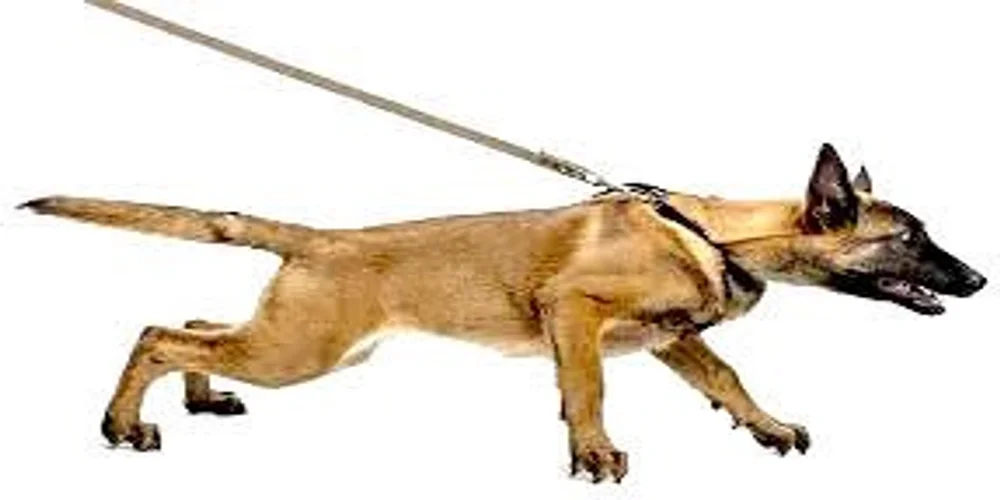
      Dogs habitually pull when they are on the lead. Many large-breed dogs get very excited when they know they will shortly be taken for a walk.

Solution

  1. This habit can be cured by the use of a check chain. The dog must be trained to walk to heel. Whenever it pulls forward or backwards, give a short, sharp jerk and then release with the command “Heel”.

        If possible, give a quick run in the lawn, off the lead, which helps to overcome the excitement

Stealing food

          Some dogs cannot resist stealing food if left alone where lots of tempting food is visible. Such a habit should be treated as unacceptable. Dogs also develop a habit of taking food from strangers once they are given free access to take food wherever they like, no matter from which he is getting food.

Solution

  1. Take a cake or other food item most liked by your dog and mix it with any substance which is filled with an unpleasant taste but harmless, such as a teaspoon of mustard powder and put it on the table as bait.
  2. Give the command “Leave” and then go out of the room for a moment. If the dog has not touched the bait, praise it upon your return, but if it has been eaten, it will have sufficient punishment. Some dogs swallow titbits so fast that they might not taste the mustard. In such cases, you should offer larger baits that need to be chewed.
  3. Repeat this procedure until your dog is convinced that all stolen foods have an unpleasant taste.

Frequently Asked Questions

What is the most common abnormal behaviour in dogs?

Excessive barking, aggression, and destructive chewing are the most common behavioural problems

Yes. With proper training, exercise, and patience, most behavioural issues can be improved.

Sudden aggression may be caused by fear, stress, pain, or environmental changes.

   It depends on the severity of the issue and the consistency of training. Some improvements may appear within weeks.

     No. Punishment can increase fear and aggression. Positive reinforcement works better.

Conclusion

       Understanding abnormal dog behaviour is essential for every responsible pet owner. Behavioural problems such as excessive barking, aggression, separation anxiety, or destructive chewing often stem from underlying causes like stress, lack of training, or health issues.

         With patience, consistency, and the right approach, most abnormal behaviours in dogs can be corrected. A well-trained and emotionally healthy dog not only leads a happier life but also builds a stronger bond with its owner.

featured-1

Understanding Your Dog’s Behavior

Understanding Your Dog's Behaviour

           Someone rang your doorbell, and your dog starts barking. It continues to bark till you stop that by a sharp command. Let’s understand why your dog behaved in that way. Understanding the natural behaviour is helpful in handling your dog, providing better care and building a stronger relationship with your dog. It is also important to a pet parent in the sense that any unusual or changed behaviours may indicate the possibility of an underlying illness or disease.

Dogs’ natural behaviour has emerged after their long association with humans from the prehistoric age, and in modern times as a furry friend. During this evolutionary process, their behavioural chemistry is shaped by a beautiful blend of species-specific instincts, acquired knowledge, learning, and emotion.

Let’s see some normal behaviour of dogs.

1-Feeding behaviour

  1. Suckling-Soon after birth, pups suckle milk from the mother, which increases after the third day. Taking food from the mother starts at about 3 weeks of age. Pups usually take food from their mother’s bowl or may eat vomitus of the mother, which should not be considered abnormal. Pup may take food material from the bowl and eat by keeping it in another place.
  2. Chewing and licking-Pups generally chew licks to investigate small objects and may ingest them, which must be prevented to avoid any health hazards. Adult dogs also chew to release boredom,and also to clean their teeth. Instead of scolding and preventing the dog from chewing dog should be provided with safe toys or objects.

2-Sexual behavior

  • Sexual behaviour starts after the onset of puberty. There is a great level of individual and breed variation regarding the onset of puberty. Sexual behaviour like mounting, clasping and pelvic thrust are seen at the age of puberty more in male but active courtship occurs only when the female is in heat. Olfaction, or the sense of smell, is the main receptor governing the onset of sexual behaviour. The urine of bitch in estrus is the first triggering point for an active courtship to happen.
  • Spaying or neutering a bitch at any age makes it unresponsive sexually. While castration done only before puberty makes a male non-responsive.
  • Male dogs prefer sexual activity better if familiar with the surroundings and the handler. So, bitch must be taken to the dog for an intercourse to happen. Many times, when the male is not dominant during courtship, the female frequently mounts the dog and stimulates the aggressive behaviour of the dog.
  • When both male and female are reared together, and the female is dominant in the social hierarchy, mating is usually rare.

3-Maternal behaviour

  1. Nest making behaviour– Towards the onset of parturition bitch usually make nest to give birth its puppies. Following parturition bitch starts nursing the young and usually stays with the puppies for 3 weeks. Later contact with the pup decreases. This is the time for weaning.
  2. Cleaning behaviour– Bitch usually stimulate urination and defecation in the pups by licking the anogenital region of the pups. During nursing, the bitch ingests the urine and faces of the pups and keeps the nest clean in the 4th week; such cleaning behaviour disappears when pups begin to leave the nest for elimination independently by their own.
  3. Pseudo pregnancy– Due to hormonal imbalance, even though the dog is not pregnant dog displays maternal protective behaviour like nest making, engorgement of mammary gland, protecting an inanimate object placed in the nest, etc. Such a condition should be treated by a qualified vet.

4- Social behaviour

      By nature, dogs are social animals and live in groups in a pack. With a long association with members of one pack, they develop a high degree of communication, cooperation and bonding, which is essential for their survival. In a pack, they usually follow the instructions of the leader. So, dogs leave happily with their boss. With the adoption of a dog as a family member, they usually see the family as a pack and try to please the members and accept the head of the family as their boss. Some positive social behaviours are

  1. Seeking attention and companionship from family members.
  2. Wagging tail and following the owners around the house.
  3. Enjoying playing with humans and other dogs.
  4. Leaning against family members.
  5. Licking the face or hand of family members to show affection.
  6. Learning by watching human closely, exploring new objects.
  7. Following command of family members and trying to please them

5-Eliminative behavior

  1. Raising of the hind legs prior to urination– Raising of the hind legs prior to urination in male dogs is an inherent activity in male dogs. It occurs after the onset of puberty.
  2. Covering of faces by pawing-Immediately after defecation, dogs usually paw and want to cover their faces. It may be due to its natural instinct acquired during wildlife by which it destroys the evidence of faces that might attract the wild predator and attack it.

6-Commiunicative behavior

Dogs usually communicate with the external world  through body carriage, vocal sounds, tail posture,submassive paw raising, and urination. Learning and interpreting these signals is crucial to know dogs mental state and behaviour. Some of the behaviours are

  1. Position of the tail  Wagging of the tail frequently occurs during excitement and happiness. A relaxed, slow wagging is an expression of happiness, whereas a stiff, high tail indicates alertness and tension.
  2. Position of ears– Relaxed ears suggest comfort. Ears kept forward suggest enthusiasm or curiosity. Contracted, backward ears suggest fear or submission.
  3. Facial expression-Soft eyes, relaxed mouth with gentle blinking of facial muscles suggest the dog is calm and enjoying. Showing teeth during play may look alarming, but usually harmless if with loose body posture.
  4. Barking-Dog barks usually when it sees strangers or sudden, sharp noises,during sudden excitement,for seeking attention.

Excessive barking may indicate that the dog is in need of exercise, stimulation or companionship.

post image-3

7-Agonistic behavior

  1. Social Hierarchy among dogs– Play fighting among the newborn puppies develops a social hierarchy among themselves, which usually lasts for many years to come. When a strange dog is introduced into a closed social group, usually the group attacks and rejects the stranger. The degree of social hierarchy is much stronger among the same group members. So they react more severely to a stranger dog of the same breed than to other breeds. A similar social hierarchy is also developed with human and normally human is dominant.
  2. Territorial defence– Territorial defence is an important form of social behaviour. Dogs living in a group are usually too protective of their territory and become aggressive when their territory is encroached upon by a strange dog or human. Marking their territory with their urine is also a normal phenomenon in dogs.
  3. Such aggressive behaviour may be avoided by rearing the pup under submission, with the owner being actively dominant. Pups should be socialised with a wide variety of human and canine neighbours.
  4. Tying up a dog usually increases aggression, and the tendency of a dog to fight on the leash is due to such territorial defensive behaviour.

Every dog is unique. Breed, age, environment, and past experiences shape behaviour. What is normal for one dog may look different for another.

To encourage healthy, normal behaviour:

  • Provide daily exercise
  • Offer mental stimulation
  • Maintain routines
  • Use gentle training methods.
  • Show patience and kindness.

Dogs thrive when they feel safe, loved, and understood

      Normal behaviour in dogs is a beautiful combination of instinct, emotion, and learning. Barking, chewing, playing, sniffing, and seeking companionship are not problems—they are natural expressions of a dog’s nature. When owners understand these behaviours, they can respond with compassion rather than correction.

A humane approach to dog care means seeing the world from a dog’s perspective. By respecting their needs and communicating with kindness, we create happier dogs and stronger human-canine relationships.
Gemini_Generated_Image_g927abg927abg927

Ten most popular Dog breeds in India

Ten most popular Dog breeds in India

Gemini_Generated_Image_g927abg927abg927

..      Few months back, I got a call from a first-time dog owner complaining that he is no longer in a position to control his growing Rottweiler. When I visited that dog, it was already 6 months old and extremely barking at whoever enter to his house. The owner said he was gifted with that dog. The problem was not with that dog but with the ignorance of the owner. It was a socialisation issue. Breeds like Doberman and Rottweiler are best kept by an owner having some previous experience of owning a dog. You will not face the same type of situation, because you are in the right place for firsthand information, so that you can select your breed. It is extremely important to know the nature, temperament, body make up etc before owning a dog. In this article, we will know all information about some most popular dog breeds in India with their inherent nature, breed specificity, adaptability and many more.

        There are about 850 different breeds in the world. But 218 breeds are recognised by kennel club of India. Dog breeds are basically divided based on their utility and size.

Classification of Dogs according to use

  • Sporting dog (Used for hunting and retrieving)

Example-Labrador retriever,cockerspaniel

  • Hound Dogs (Used for locating and following, as in games)

Example-Afgan haund, dachshund

  • Working dog (Have long history of usefulness as a herder, watchdog, guide dog )

Example- Doberman, boxer, Alsatian

  • Terrier (Developed to enter ground dens of foxes and rabbits and drive them out to the hunters). Example: Fox terrier, Lhasa Apso
  • Non-sporting dogs (These are all popular pets for their affectionate disposition)

Example Bull dog, Dalmatian

  • Toy dogs (Small size. Both affectionate and intelligent)

Example

So here are some of the most popular dog breeds that are kept as pets. The numbering of the breed does not necessarily follow the degree of popularity.

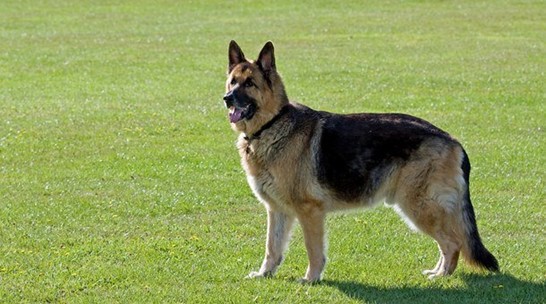
1) German Shepherd/Alsatian-

    A master dog. Possess a high degree of intelligence, alertness and watchfulness. Once it decides on the suspiciousness of strangers, it becomes fearless. It is gifted with a highly developed sense.

Origin-Recognised as a breed in Germany in 1900

Coat-Mostly double-coated. Under coat is thick, close and woolly. It protects animals against the cold. The outer coat has straight, hard hair lying flat.

Colour: Dark tan, grey, all black

Body– It is long, well-boned, with plenty of muscles, which gives it amazing speed and flexibility for sudden movement.

              Height:                      24 – 26 inches (male), 22 – 24 inches (female)

             Weight:                       55 – 75 pounds (25 – 35 kgs)

Usefulness– Considered an all-purpose worker in the dog’s kingdom It is most popular as a house dog for its friendliness, also as a watchdog and a member of a police squad.

Caution– German Shepherd would need a sufficient amount of physical activity daily. Hair fall problem sometimes creates an annoyance for the owner.

Lifespan -9-13 years

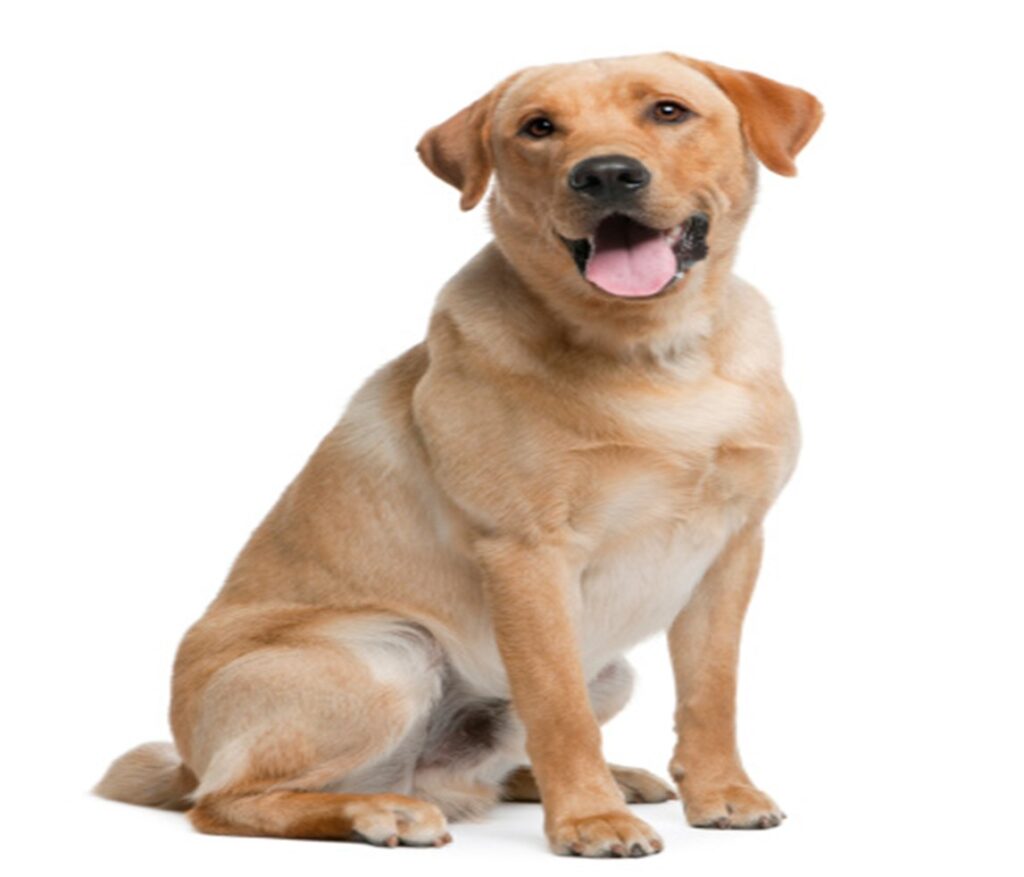
2) Labrador Retriever-.

       Labradors are famously friendly, active and lovable dogs who bond with the whole family. Their social skills with neighbour dogs and humans are amazing. Most favoured pet dogs among middle-class Indian families

Origin-Recognised as a breed in Germany in 1900

Coat-Mostly double-coated. Under coat is thick, close and woolly. It protects animals against the cold. The outer coat has straight, hard hair lying flat.

Colour: Dark tan, grey, all black

Body– It is long, well-boned, with plenty of muscles, which gives it amazing speed and flexibility for sudden movement.

              Height:                      24 – 26 inches (male), 22 – 24 inches (female)

             Weight:                       55 – 75 pounds (25 – 35 kgs)

Usefulness– Considered an all-purpose worker in the dog’s kingdom It is most popular as a house dog for its friendliness, also as a watchdog and a member of a police squad.

Caution– German Shepherd would need a sufficient amount of physical activity daily. Hair fall problem sometimes creates an annoyance for the owner.

Lifespan -9-13 years

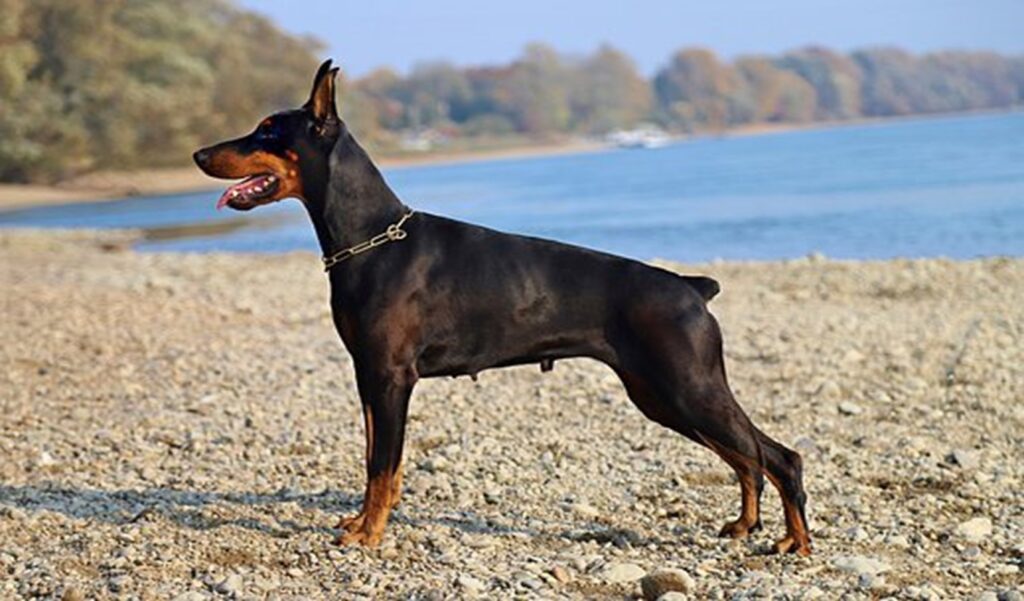
3) Doberman Pincher

            This breed is a powerful combination of loyalty, obedience, intelligence and determination. They are fearless, energetic and always ready to defend their owners.

Origin-The breed was named after its founder, Leuis Doberman,a German who developed this breed by crossing Shepherd, Rottweiler and old English terrier in 1890

Coat-Smooth-haired. Has a soft. Short and shining hair coat.

Colour-Black, chocolate

Body- Slim, slender and tall body with docked tail at the base, flat cheeks, tight lips, droopy or erect(preferable)ears are some of the body characteristics of this breed.

              Height:                      26 – 28 inches (male), 24-26 inches (female)

             Weight:                       60 – 75 pounds (27 – 35 kgs)

Usefulness: A loyal, obedient,  and useful guard dog. If you are looking for someone to protect your home, they are the best pick for you. They are invariably a member in police dog squad. They are used for tracking criminals, locating stocks of explosives and narcotics.

Caution– Dobermans require a good amount of exercise daily. It likes a long wall. Poorly managed dogs often become vicious.

Lifespan -9-13 years

4) Rottweiler

      A deadly combination of tremendous strength and incredible loyalty. Its popularity among Indian families is growing as it has established itself as both an affectionate and a fierce protector.

Origin: Its origin goes back to Roman times. It has descended from cattle-driving dogs left by the Romans in Rottweil, Germany, during the second century. It has a lineage of Roman legion mastiffs.

Coat-Short double-coated. Outer coat medium in length, shorter in the head, ears and legs. Undercoat mostly on the neck and thigh.

Colour-Black with markings appearing over eyes, cheeks and muzzle.

Body- Highly muscular body.

              Height:                      22– 27 inches

             Weight:                       85 – 130 pounds (41 – 55 kgs)

Usefulness– This breed is a perfect choice as the Rottweiler is a breed renowned for its tremendous strength. Such dogs are incredibly loyal to their loved ones, making them good companions in the household.

Caution: This breed needs to be socialised at an early puppyhood stage to make it well behaved. They lose a large amount of hair, so daily grooming is necessary. Being a strong breed, they thrive well on a protein-rich diet. Some amount of fat may preferably be added to meet the high energy demand

Lifespan -8-10 years.

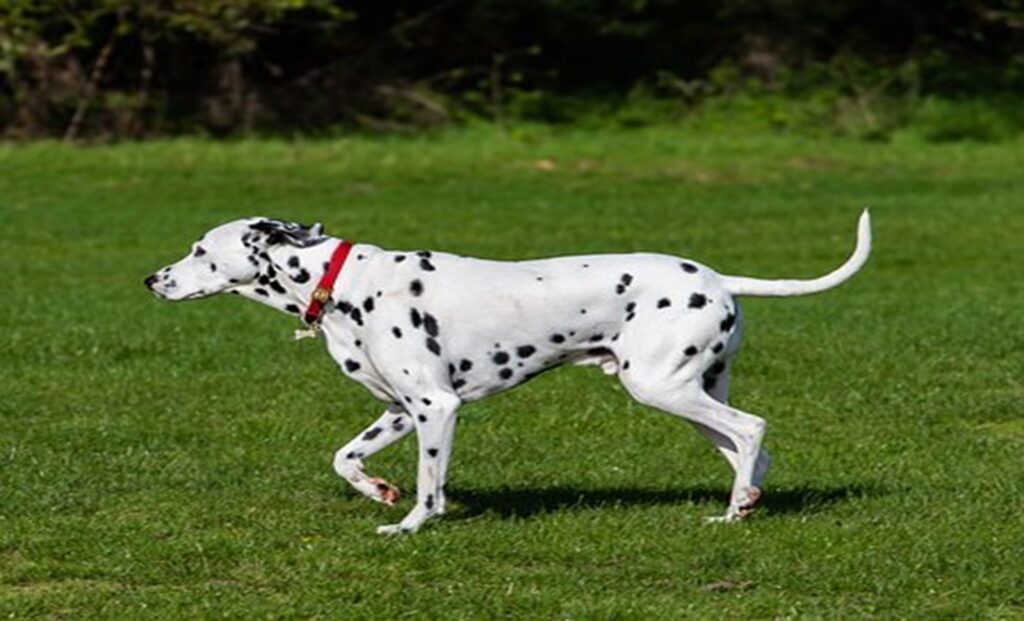
5) Dalmatian

         Basically, a medium-sized hunting dog. It is graceful with a sleek, muscular body. They are intelligent, playful, loyal and well adapted to Indian families.

Origin-Named after the former Austrian province of Dalmatia. Thought to be a descendant of the Italian pointer.

Coat-Short dense, hard and fine. It appears glossy

Colour-Colour and markings are extremely subjective from a judging point of view. The spots appear only 15 days after birth. The ground colour is pure white. The colour of the spot is dark black in black-spotted varieties and liver brown in liver-spotted varieties. Spots should be as round as possible and well distinct.

Body- Strong muscular body with long neck, strong and straight forelegs, moderately long tail with strong base and tapering tail are some characteristic features of the breed

              Height:                      19-23 inches

             Weight:                       45 – 60 pounds (20 – 27 kgs)

Usefulness– This breed is a perfect choice in families with children. They are loyal to the families. These dogs are intelligent, can be well-trained and make good watchdogs. If you are alone, this is perfect for you as it loves to spent times with humans.

Caution– Dalmatian sheds heavily. Regular grooming is a must. Dalmatians also need lots of exercise to dispel boundless energy. They are probably not suitable for apartment-dwellers unless the family is committed to long, daily walks or runs.

Lifespan -12-14 years

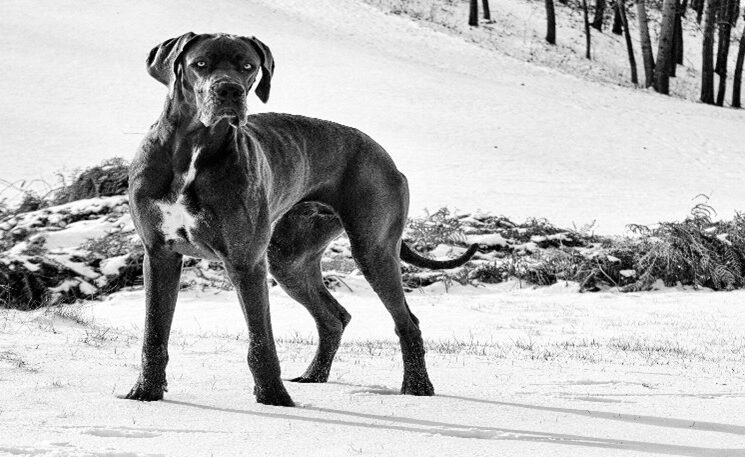
6) Great Dane

         It is a very obedient guard dog. It is highly trainable because of its great intelligence. Great Dane, often called the ‘Apollo of Dogs’, is very friendly and loves children, people and other dogs.

Origin-It is of German origin. And a descendant of the old English mastiff. It was recognised as a breed in the 19th century in Germany and later in England and the USA.

Coat-Coat is never rough but glossy. Hair is short and dense.

Colour– Colour is yellow, brown, or too deep black. Eyes and nails are desirably dark. Colour may be light grey to deepest slate. Some dogs are black. In black dogs, white is permitted on the chest but not desirable.

Body-Great Dane is big in size, quite muscular, strong and elegantly built. Head and neck carried high. Ears set high, small and carried little erect with the tip falling forward. Tail thick at the root and tapers towards the end. It has a dashing and daring look.

Height:                                    30 – 32 inches (male), 28 – 30 inches (female)

Weight:                                   110 – 175 pounds (25 – 40 kgs)

Usefulness-A good watchdog for big premises like a factory and farmhouse.

Caution: Because of his size, he requires more space and more food. Hence, maintenance is expensive. It is most susceptible to bloat, twisting of the intestine and gastric dilatation. Usually, Great Danes’ short, smooth coat doesn’t shed much, but during the shedding season, hair loss would be profuse and daily combing would be necessary. The dog’s long nails require trimming regularly. For a breed as large and powerful as the Great Dane, obedience training is a must. Early socialisation and puppy training classes are recommended.

Lifespan -10-12 years

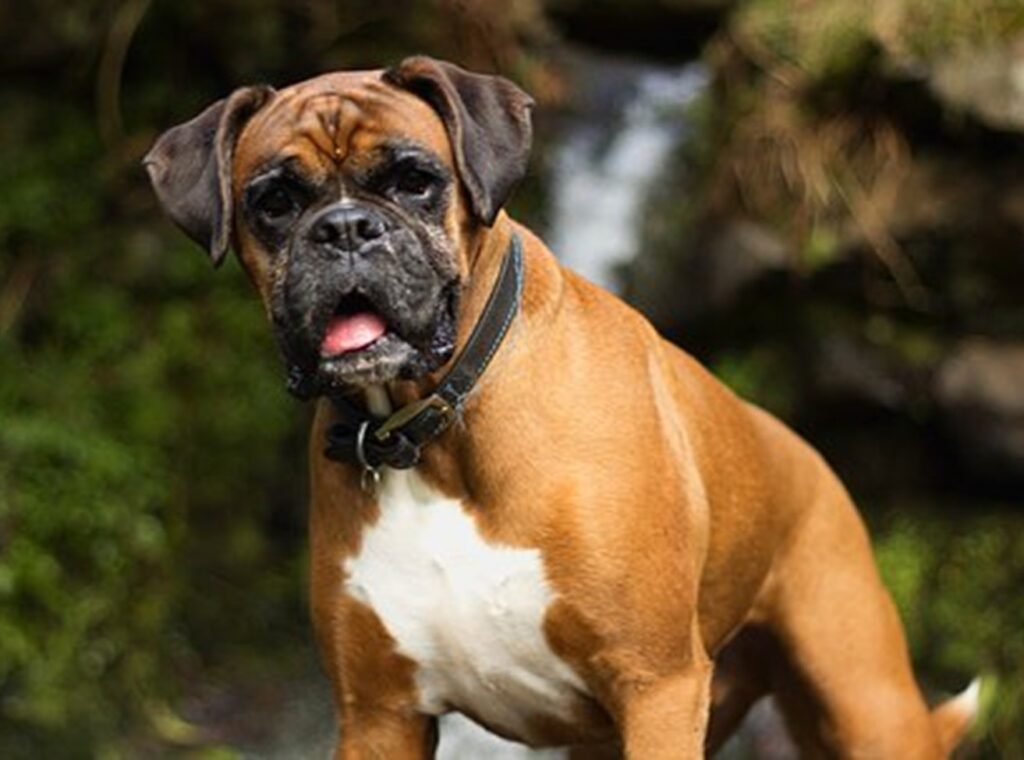
7) Boxer

       He is the soul of honesty and loyalty. He is known for his great love and faithfulness to his master and household. It is a very alert, fearless and courageous dog, highly intelligent and tends to have a mind of their own and are excellent problem solver.

Origin: Developed in Germany in the 1800s.It is a descendent from old Tibetan Mastiff and the bulldog. The term boxer is coined from his habit of starting to play or fight by striking out with his forepaws like a man boxing.

Coat-Smooth-haired, short shinny coat requires little grooming.

Colour– Approved colour is fawn with various shades from light yellow to deep red.

Body-it is a medium-sized, short square figure with strong limbs. Distinct head, well-developed cheeks not protruding from the head, broad nostrils, and strongly muscled limbs.

Height:                                    12– 24 inches (male), 21 – 23 inches (female)

Weight:                                   62– 66 pounds (28 – 29 kgs)

Usefulness: Easy to train. Its gentle, friendly, protective nature makes it suitable for blind persons. Its inherent patience, friendliness, and protective natures makes it very popular in family having small children.

Caution-Require a high-quality diet, may be commercial or homemade, to perform better. Its nails should be trimmed regularly. Early socialisation is extremely important for this breed to make it a well-behaved dog.

Lifespan -7-10 years

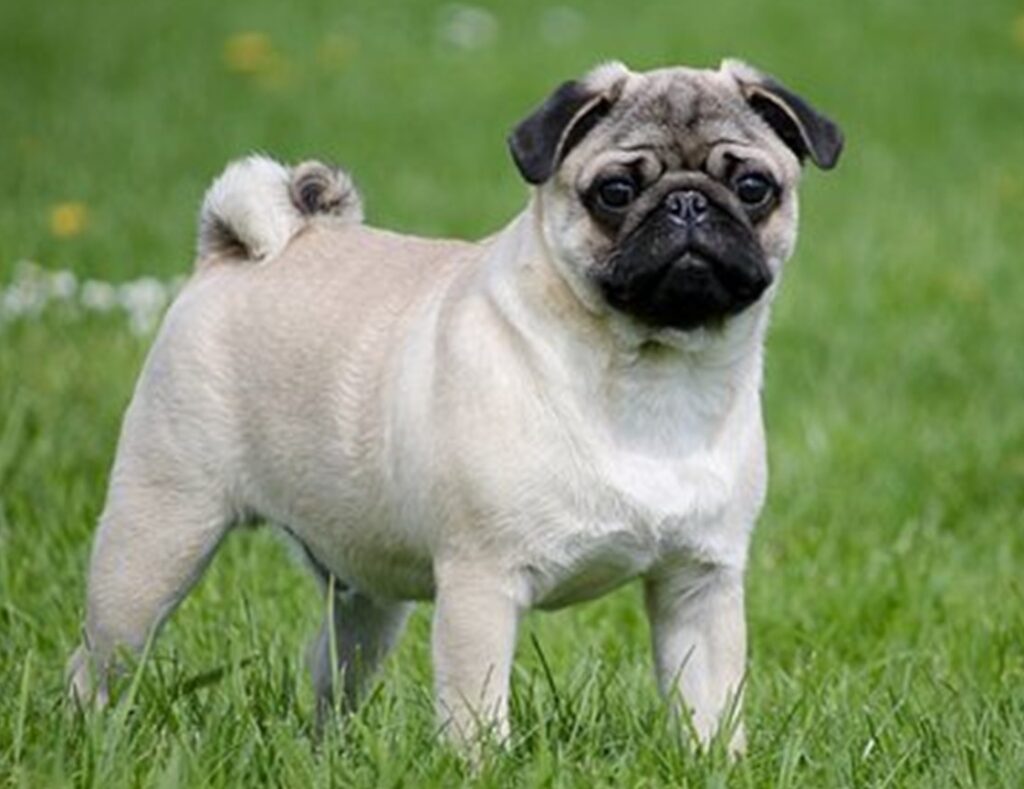
8) Pug

    A very gentle, kind and charming breed highly popular among city dwellers and small households. They are fun-loving, extremely playful and comfortable with children.

Origin-Originally belonged to China. Later migrated to Holland, England and America.

Coat-Smooth, soft, fine and glossy.

Colour: Comes with black, silver or apricot fawn. Markings are clearly defined, and most are black.

Body wrinkles in the face are a characteristic feature of this breed. Short body, wide chest, well-sprung ribs, strong, moderately long limbs, tightly curled tail over the hip(double curling is of a high degree of excellence) are some typical features of this breed.


Height:                                    11–13 inches

Weight:                                   15–18 pounds (11–16 kg)

Usefulness– Pugs are highly adaptable dogs who equally cherish staying at home as well as enjoy the outdoors. They do well with both homemade and manufactured foods as long as they are fed healthy calories. Hair fall is quite low .so easy to maintain. They seldom require a bath unless very dirty. Not require trimming of nails unless uncomfortable.

Caution– As pugs are a little vulnerable to obesity, their diet should not contain too much fat. They tend to spend more of their time napping.

Life Span:                   12 – 15 years

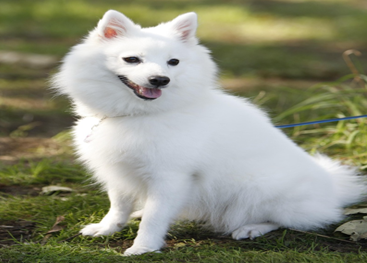
9) Indian Spitz

       This is a small to medium-sized breed. This breed is not recognised as a breed by the American or British Kennel Club, but is recognised by the Indian Kennel Club. They are well adapted to both small and large families and in all-weather condition.It is an intelligent dog breed.


Origin: The origin of the Indian spitz is from the German spitz. Britishers came to India with this German spitz and by continuous breeding, they were adapted to the Indian climate and now recognised as the Indian Spitz. There are two types of Indian spitz, smaller and the greater Indian spitz.

Coat-Double-coated. Soft woolly undercoat and a long, harsh top coat. Abundant in chest and neck with feathering at the legs and a plumed tail.

Colour-Comes with white, red, black, brown and white and chocolate combination.

Body: Broad skull, sharp pointed muzzle. Ears are sharp, pointed, erect and extremely mobile.

Height-            10-18 inches

Weight             20-45 pounds (9 to 20 kg)

Usefulness-Best suited for the Indian climate, they are less prone to disease as compared with other dogs.

Due to their small size, they can be easily maintained with less space, and can be maintained on home-based food without providing any commercial food. So the maintenance cost is very low compared with other breeds.

Caution: Early socialisation is a must for this breed. Hair fall may sometimes be annoying, so regular grooming is a must.

Life span-12-14 years

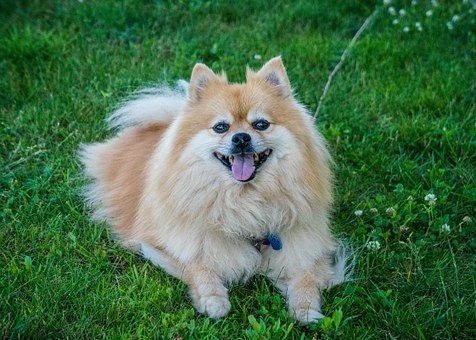
10) Pomeranian

     It is a small sized spitz breed dog. It is an intelligent, playful, friendly and active dog breed.

Origin-Developed as a breed in Pomerania, Poland and bred down in size from the white spitz of Iceland.

Coat-Double-coated. A soft and fluffy undercoat and a long, straight rough outercoat which cover whole body. Thick, particularly in the neck, shoulder and chest. Hindquarters are completely covered with long hair from top to the point of hock.

Colour-Whole colour like white, black, brown, may be light, dark or creamy

Body-Head and nose are wedge-shaped. Small, perfectly erect ear. Short back, compact body and well-rounded barrel. Tail turned over the back and carried flat and straight.

Height              About 7 inches

Weight             3 to 7 pounds (1.5 to 3 kg)

Usefulness-Best suited for the Indian climate. Require less space and can be maintained on home-based food.

Caution– They are the kind of territorial in nature, so they may bark if they hear some unusual sounds. Pomeranian dogs are thick-coated. So, proper and regular grooming is required to maintain the quality of its coat.

Life span-10-14 years

wpp

How to select a dog as your pet

How to select a dog as your pet

             Once you have decided to own a pet dog the next big question that comes to mind is how to select a dog. selection of dog is often crazy as a wrong selection will not only create a unhappy situation in your home but also the pet will be a burden for you. On the other hand, a right choice will bring for you in pacifying your passion of pet ownership and you will get unconditional love and loyalty from your pet irrespective of your social position, economic condition for at least ten years or more.

Consider this before you select a pet

Your purpose

Dogs are kept mostly

1- For watching of premises, prevention of theft, playing. You should have real liking and affection for this purpose.

2-For playing and entertainment. Toy breed dogs are preferable.

3-For participation in exhibition and dog show- A very special type of training and obedience is needed.

4-For business purpose and selling pedigree dogs- good amount of experience on maintenance of dog is required.

Your affordability

  • *Housing- Most pet dogs and toy breed don’t require separate housing. They can be kept either loose or tied in any corner of the house. But heavy and ferocious dogs need separate house arrangement.

  • *Food habit of family—Most pet dogs can be maintained in a purely vegetarian diet without any adverse effect when nutritional requirement is taken care of. But a purely vegetarian family should not keep a hunting dog as once adopted to a vegetarian diet such dogs generally lack hunting temperament.

  • *Time you can give-At least one family member must be interested in dog and spare some time daily for your pet dog. Even if all family members don’t not like dog at least the dog should not be threatened or bitten by them otherwise it will develop shyness, fear and unruly behavior. Dog should be familiar with all inmates of the house, close relatives.

  • * Your Neighbor-You should also remember that several other people will also come in contact with your dog especially your neighbor. Do not expect that all who will come in contact with your dog will have same level of liking and sympathy as you have.

  • *Your friends—It is a good idea to keep a contact with people. you know to have some practical knowledge on dog keeping. Once you have your dog over a period of time usually you will develop a close association with other pet owners through sharing your experience with them.

Now have some knowledge on the actual topic which dog to select

Type of dog to select-

Basically, there are two types of dogs- Pedigree and mongrel

Pedigree-Dog that are pure breed and parents are from same breed.

Advantage-You can be sure about its adult body weight, shape, size and coat color

You can have an idea about its temperament and behavior

You can access about the amount of care and management required.

Disadvantage-it will cost more than a mongrel or crossbred dog

Mongrel or crossbred-Dogs born out of either mis mating or intended mating from two different breed.

Advantage-Cross-bred puppy are cheap to buy.

Dis advantage- Puppy bear little resemblance with the pure breed.

Its pattern of growth, body characteristics and temperament cannot be accessed unless it attains its adulthood.

But remember thar some crossbred/crossbred dog prove to be highly intelligent and make good family dogs

At what age you should buy –

        It is good to own a dog in a puppy stage because socialization and learnability in puppy is much advanced than adult dog. When the puppy will grow up it will adapt your style and family. Further your association with the dog will be more intense than an adult dog. Taking on an older dog is difficult to manage as it has already developed its own pattern of behavior which may not be acceptable to you. Further it is almost impossible to change behavior of a full-grown dog than a young puppy

Male dog or female one

*Selection of sex of your pet dog is extremely important because both male or female dog have different temperament

*When to choose a female dog

If you have young children in your family because it is relatively easy to discipline a female dog than a male.

If you do not have sufficient experience.

But be aware

Female will come to heat in breeding season and if you do not pay sufficient attention and take measure it may get pregnant with crossing another dog. It is not uncommon for the new pet owners to notice giving birth suddenly when you have no idea about how it happened. The situation beyond this need not be elaborated further.

When to select a male

*When you can give sufficient time to your pet because association between a male dog with owner is more intense.

*You need your dog to be aggressive because male dog is more aggressive than the female of the same breed.

How many dogs

Though most of the pet owner prefer one dog to be owned , it is beneficial to have two dogs if one can afford.It is especially beneficial when you cannot spare enough time with your dog because some time a single dog may get bored in families where most family members are working out(example-working couple).

But while considering tow dogs keep in mind the following facts

*It is best to have two female dogs as both will leave together with little quarrel

*Never keep two male dogs especially if both are aggressive.

Which breed to select

Before selecting the breed try to gather some knowledge on some most popular dog breed

Select such breed which suits most to your home in every way.

Look for some opportunity for visiting any dog show  where you can see all shots of breed  together

If you choose to select for business purpose than select those breed that have demand among people in your area

From where to buy

Kennel clubs in India are the governing bodies for all pedigree-dog business and deals with all aspect of breed recording and registration. You may contact the secretaries of your local kennel club regarding availability of puppies for sale.

*You may buy a puppy from your friends or neighbor. In all case you must visit the bitch. Select the puppy from her litter and then bring to your home. It is a good idea to take assistance of a friend having more knowledge than you.

How to choose

*Never take your kids with you while visiting a place for purchasing a puppy because they may select smallest, shyest and weakest pup because they look most appealing to the children

*Choose a puppy that comes first to you.

* Never buy a puppy from any dealer.

What to look for while buying

*Look nostrils and ear for any discharge. It should be healthy and alert

*Examine the skin. It should be free from Soreness, redness around belly/thigh. There should be no external parasite like ticks/ mites

*If you buy a purebred dog always obtain a copy of its pedigree. If the puppy has been registered with kennel club ask for a certificate for transfer ownership to your name

* Ask about vaccination certificate. Check what vaccinations /deworming still have to be done and what are due dates.

* Ask your veterinarian for any advice you need

FINAL COMMENT.

         Remember it is a long-term investment. Choose your dog sensible and earn a lot of love, affections and loyalty from your pet.