
Abnormal Behaviour in Dogs and how to correct it
Abnormal Behaviour in Dogs and how to correct it
Abnormal Behaviour in Dogs and how to correct it
Abnormal Behaviour in Dogs and how to correct it
-
Dr JM Panda pandajatin@gmail.com

Dogs communicate their feelings and needs through behaviour. However, sometimes dogs may show unusual or abnormal behaviours that confuse or worry their owners. When a dog shows actions that seem unusual, disruptive, or distressing, it’s often labelled as *abnormal behaviour. These behaviours can include excessive barking, aggression, destructive chewing, anxiety, or obsessive habits.
This guide explains the common abnormal behaviors in dogs and how to correct them effectively, helping owners raise well-behaved and happy pets.
Table of Contents
What is Abnormal Behaviour in Dogs
Abnormal behaviour refers to actions that are excessive, repetitive, harmful, or out of context for a dog’s age, breed, and environment. Examples include sudden aggression, constant barking, destructive chewing, self-injury, extreme fear, or withdrawal. While every dog has a unique personality, behaviours that cause distress, damage property, or threaten safety are considered abnormal.
It is necessary to stop these bad habits before established. Later on, when habits become a nuisance, it becomes very difficult to change these habits. Identifying these behaviours early helps owners take corrective steps before the problem worsens.
Common factors responsible for Abnormal Dog Behaviour
Pet owners should consider the following factors to establish the cause of the abnormality.
- Poor or late Socialization
Dogs that are not exposed to people or other animals early in life may become fearful or aggressive towards strangers, children or other animals
.2. Lack of Exercise
Dogs with too much pent-up energy may develop destructive habits
- Stress or Anxiety
Traumatic experience causing a conditioned emotional reaction is frequently seen in the normally reared dog. For example, a second visit to the veterinary clinics may result in hyperthermia, fright, fight and fear reactions. Changes in the environment, loud noises, or loneliness can trigger abnormal behaviour.
- Medical Problems
Pain, illness, or neurological issues may lead to sudden behavioural changes.
- Lack of Training
Dogs that do not receive proper guidance may develop unwanted habits.
.
Types of Abnormal Dog Behaviour with Solution
Extreme aggression towards strangers
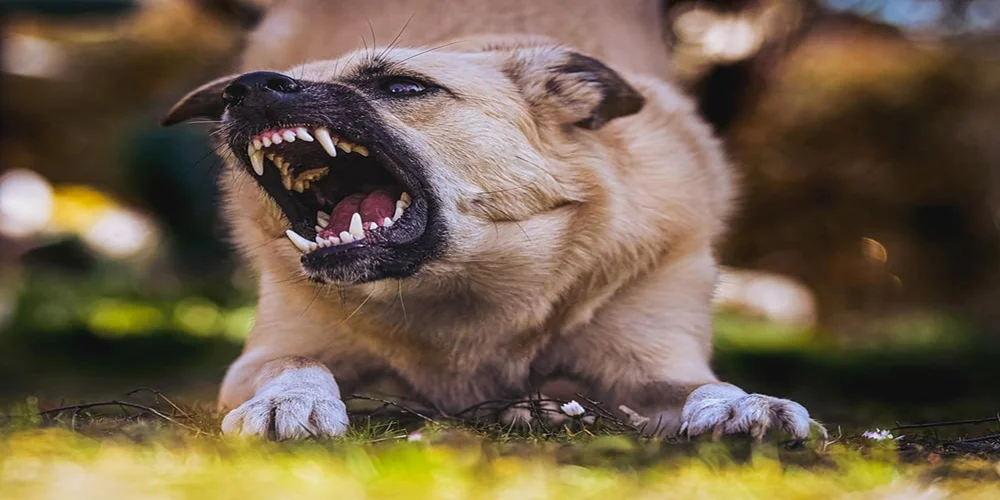
Extreme aggression may arise due to traumatic experiences during the critical period of socialisation or social isolation during this period. When the
A pup is taken as a pet and lives a fairly isolated life in an apartment (in cities),
Socialisation with other dogs and people is greatly reduced, resulting in extreme aggression towards strangers or other dogs.
Solution- Gentle handling and re-socialisation will be helpful a lot in such a situation. In extreme cases, sedative drugs may be given in consultation with a veterinarian.
Abnormal care-seeking behaviour
When the dog becomes a child substitute of the family and overprotects it, it becomes dominant and overprotective towards the owner and aggressive towards strangers.
Solution- The dog should not be over-patted, and any undesirable activities must be stopped by a sharp command like.No. Follow the basic rule of training- Undesirable activities must be followed by a sharp NO, and when the dog obeys your instruction, reward it.
Biting and Destructive Chewing

Chewing is normal for puppies, but when dogs destroy furniture, shoes, slippers, etc., it should be stopped at the start; they will soon become established and difficult to correct, and then your dog may destroy your valuable household items. It may indicate boredom or anxiety. This is particularly seen in puppies when tooth eruption starts, and adult dogs usually chew inanimate objects out of separation anxiety.
Solution-
Allow puppies to have things like (non-splintering long bones, synthetic bone, rubber-dolls,rubber-balls, etc.) which they can chew on and can identify as their own. If you allow a bone, ensure that it is a suitable one. Act very promptly when the wrong things are being chewed, such as furniture, doormats, slippers, shoes, etc.
Excessive Barking
Barking in dogs is a natural activity, for it serves as a means of communication, particularly of expressing warning and serves to express pleasure. Barking
serves to tell you when you have visitors, but it should stop as soon as they are identified as friends.
Excessive barking may be due to poor training, leaving the dog alone for a long period frequently, lack of proper exercise, failed to relieve natural calls.
Solutions- Controlling barking in old dogs is difficult because old dogs cannot alter their habit of barking, but it is necessary to do something about the excessive noise from your dog. To avoid the situation, providing adequate training and opportunities to get bored should be kept as few as possible.
You can suddenly start a louder noise when the dog starts his unwanted barking, and in this way, you can make an effort to control the barking in adult dogs.
Chasing motor vehicles
When you take your dog on a lead near public roads for exercise, many dogs start chasing nearby passing scooters/motorcycles and bicycles, which is not only irritating but also dangerous and may lead to a serious accident.
Solution
Never allow your dog to chase. Motor vehicles and the practice of chasing must be stopped soon after it develops. Try to exercise your dog in an area away from public roads or roads with minimal traffic. If it is difficult to keep a dog away from traffic, then a lesson to stop this habit is necessary. Allow your dog to chase a car in a safe place, but instead of appearing to be chased away, stop the car and lay down empty cans from the car. In extreme cases, you may have to repeat the lesson several times.
Jumping up on people
Many dogs jump up on their owner whenever they enter the house, especially after a long gap, returning from a trip. from office etc.afterGenerally jumping up is a delightful expression of devotion by dogs, and is less appealing if you get muddy paws on your clothes or those of others. This habit should never be allowed to start.
Solution
Always give a strong NO command every time your dog tries to jump up on you or anybody. Gradually your dog will understand that it is a bad manner and may refrain from such activities. You can also overbalance your dog with a well-placed nudge with the knee, and it may take some time to stop this habit.
Begging for food near the dining table
When family members are taking food to the dining table, dogs frequently beg at the table, which is an undesirable habit. Such a dog always expects food when other family members are eating. The dog which develops this habit gives the impression that he never gets any food, by seeing his anxious look towards the table when you and your friends are taking a meal.
Solution
- Separate your own meals from those of your dog.
- If possible, feed the dog first so that you do not provoke his appetite with the sight and smell of your own food.
- Keep him out of the room where you are having your meal.
Pulling on the lead
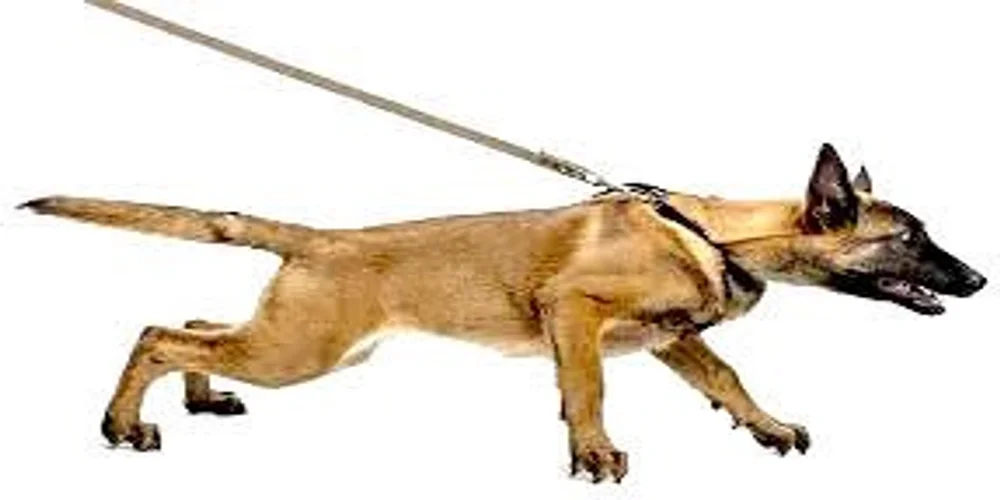
Dogs habitually pull when they are on the lead. Many large-breed dogs get very excited when they know they will shortly be taken for a walk.
Solution
- This habit can be cured by the use of a check chain. The dog must be trained to walk to heel. Whenever it pulls forward or backwards, give a short, sharp jerk and then release with the command “Heel”.
If possible, give a quick run in the lawn, off the lead, which helps to overcome the excitement
Stealing food
Some dogs cannot resist stealing food if left alone where lots of tempting food is visible. Such a habit should be treated as unacceptable. Dogs also develop a habit of taking food from strangers once they are given free access to take food wherever they like, no matter from which he is getting food.
Solution
- Take a cake or other food item most liked by your dog and mix it with any substance which is filled with an unpleasant taste but harmless, such as a teaspoon of mustard powder and put it on the table as bait.
- Give the command “Leave” and then go out of the room for a moment. If the dog has not touched the bait, praise it upon your return, but if it has been eaten, it will have sufficient punishment. Some dogs swallow titbits so fast that they might not taste the mustard. In such cases, you should offer larger baits that need to be chewed.
- Repeat this procedure until your dog is convinced that all stolen foods have an unpleasant taste.
Frequently Asked Questions
What is the most common abnormal behaviour in dogs?
Excessive barking, aggression, and destructive chewing are the most common behavioural problems
Can abnormal dog behaviour be corrected?
Yes. With proper training, exercise, and patience, most behavioural issues can be improved.
Why is my dog suddenly behaving aggressively?
Sudden aggression may be caused by fear, stress, pain, or environmental changes.
How long does it take to correct behavioural problems in dogs?
It depends on the severity of the issue and the consistency of training. Some improvements may appear within weeks.
Should I punish my dog for bad behaviour?
No. Punishment can increase fear and aggression. Positive reinforcement works better.
Conclusion
Understanding abnormal dog behaviour is essential for every responsible pet owner. Behavioural problems such as excessive barking, aggression, separation anxiety, or destructive chewing often stem from underlying causes like stress, lack of training, or health issues.
With patience, consistency, and the right approach, most abnormal behaviours in dogs can be corrected. A well-trained and emotionally healthy dog not only leads a happier life but also builds a stronger bond with its owner.